







Global Job Market Trends and How to Position Yourself
The global job market is currently experiencing a unique paradox, it is simultaneously stable and fragile, sluggish yet rapidly changing. According to the International Labour Organization’s 2026 World Employment and Social Outlook report, the global unemployment rate is holding steady at roughly 4.9%. Yet beneath that calm surface lies a massive structural transformation. We are no longer waiting for a futuristic disruption, we are actively living in it. Driven by economic shifts, a massive surge in Artificial Intelligence (AI) integration, and a global push toward the green transition, the career landscape has fundamentally changed. The data shows that work isn’t being replaced, it is being rebuilt. Navigating this environment requires understanding current global trends and shifting your professional strategy accordingly.
The Core Trends Shaping the Global Workplace
According to the World Economic Forum’s recent macroeconomic data, structural labor market changes are expected to impact a massive portion of the global workforce, with 170 million new jobs projected to be created, while roughly 92 million traditional roles face displacement. This massive churn means that while employment opportunities are expanding overall, the specific nature of those roles is shifting dramatically. This upheaval is driven by three distinct pillars:
1. The Rise of the “New Collar” Worker
The traditional divide between “white collar” (knowledge work) and “blue collar” (manual labor) is blurring. Global hiring insights from LinkedIn’s Future of Recruiting data highlight the dawn of the “New Collar” Era, an emerging segment of the workforce that blends practical technical literacy with uniquely human strengths. While advanced economies have seen fluctuations in traditional corporate postings due to economic caution, AI-enabled roles have surged. An intense demand has emerged for professionals who can act as the “bridge” between advanced tech and practical business outcomes.
2. High-Tech Growth vs. Frontline Resilience
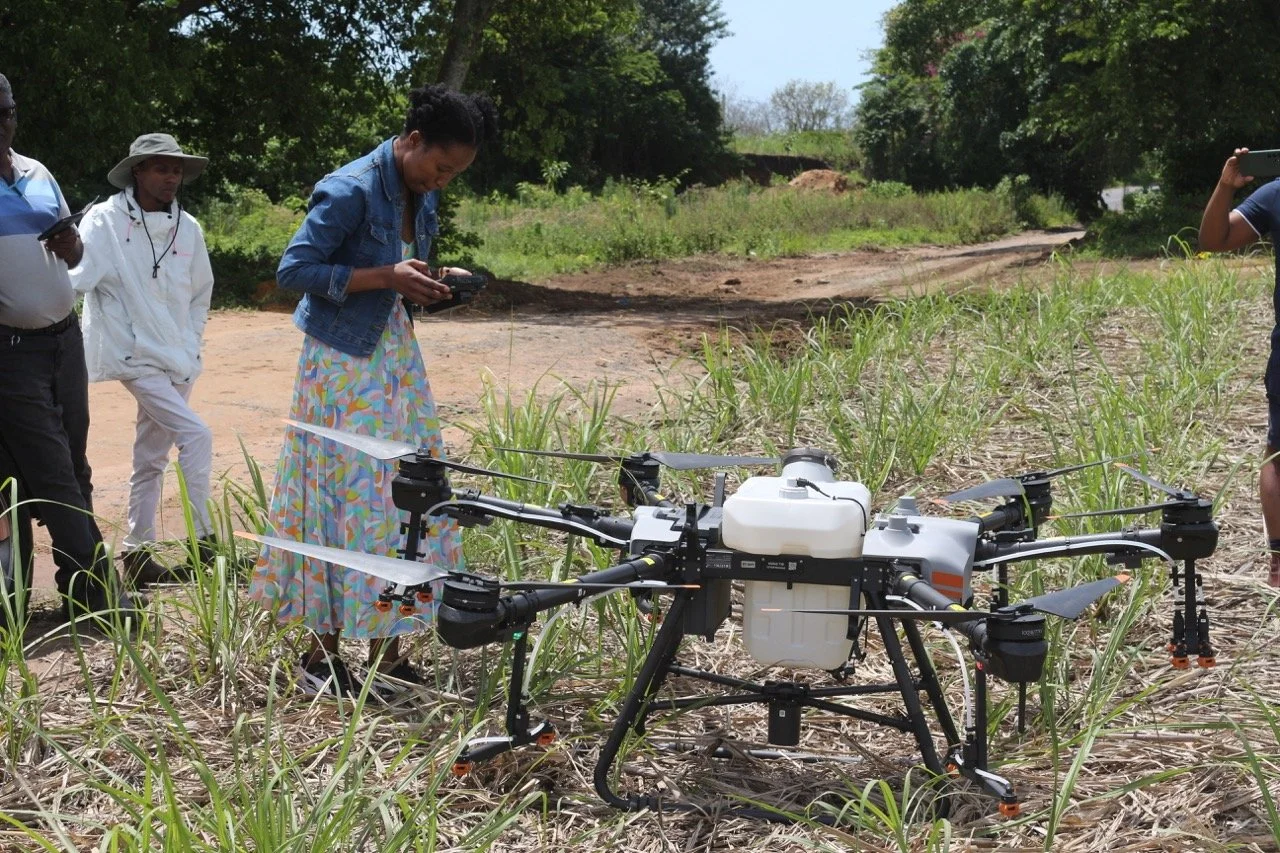
The fastest-growing roles in percentage terms are heavily concentrated in technology and sustainability. The World Economic Forum identifies big data specialists, fintech engineers, and AI/machine learning specialists as the fastest-growing occupations globally. Conversely, the absolute highest volume of job growth is happening in the physical and care economies. Agriculture, healthcare, education, specialized construction, and logistics continue to expand globally because they cannot be easily automated.
3. The Displacement of Routine Information Roles
Automation is aggressively displacing occupations centered on routine data processing and administrative management. The World Economic Forum notes that roles experiencing the steepest absolute declines globally include data entry clerks, bank tellers, administrative assistants, and executive secretaries. Furthermore, the International Labour Organization points out that this rapid automation presents unique challenges for younger professionals seeking their first entry-level high-skill occupations, as traditional baseline tasks are the first to be automated.
Skills Over Degrees
The corporate world is rapidly pivoting toward a “skills-first” hiring model, where employers are evaluating what a candidate can actually do rather than where they went to school. LinkedIn’s global data reveals that approximately 75% of recruiters now prioritize skills-based hiring over traditional pedigree, and roughly a quarter of job postings on the platform have completely omitted formal degree requirements. Success in this new landscape requires mastering a balance between technical fluency and cognitive human strengths.
Future-Proofing Your Career in the Next Frontier
To position yourself for success in this evolving landscape, you must shift from managing a rigid career path to actively curating a dynamic portfolio of skills. This starts with building tech adaptability rather than deep technical expertise, you do not need a computer science degree, but you must establish digital fluency by learning how automation tools, AI workflows, and data analytics apply directly to your specific field. Next, you need to double down on your human-centric “moats”, the distinct skill sets that machines cannot replicate, by sharpening your analytical thinking and mastering complex interpersonal dynamics, such as stakeholder negotiation and cross-functional team leadership. Finally, because traditional hiring cycles remain tight, it is vital to diversify your experience ecosystem. Do not rely solely on your primary role to build your resume, instead, actively pursue cross-functional internal projects, micro-credentials, or independent consulting. As World Economic Forum insights indicate, taking personal ownership of continuous, self-directed upskilling is the most effective way to outpace rapid structural market shifts and keep your professional profile highly competitive.
The job market isn’t necessarily shrinking, it is evolving. The professionals who thrive in this climate will be those who stop waiting for traditional stability and instead embrace steady, proactive transformation.