






Emerging Career Pathways and Talent Trends in Africa
The African job market is undergoing a profound structural shift, driven by a massive youth population boom, rapid digital transformation, and a global push towards sustainability. Across the continent, traditional sectors are evolving, entirely new industries are emerging, and employers are highly optimistic about talent availability. The World Economic Forum notes that nearly half of Sub-Saharan African employers expect talent pools to expand significantly through 2030. For those looking to position themselves for long-term growth, several key career paths are currently surging across Africa.
Artificial Intelligence and Data Science
As organisations across Africa move from standard digitisation to advanced automation, data has become a critical corporate asset. Companies are no longer just collecting information; they are aggressively hiring professionals who can extract actionable insights from it. This shift has triggered a massive demand for data scientists, machine learning engineers, business intelligence analysts, and AI integration specialists.
Major financial and commercial hubs in Nigeria, South Africa, Kenya, and Egypt are leading this charge, leveraging AI to optimise credit scoring, automate customer service, and detect fraud. In South Africa specifically, AI and machine learning specialists are recognised amongst the fastest-growing professional roles, transforming how businesses interact with consumer data.h
Business Process Outsourcing and Digital Infrastructure
Africa has rapidly positioned itself as a premier global hotspot for outsourced services, capitalising on its young, highly communicative, and multilingual workforce. This expansion extends far beyond traditional call centres, driving immense growth for technical professionals like cybersecurity analysts, network engineers, customer experience directors, and cloud architecture specialists.
Countries like Nigeria and South Africa are rapidly expanding their BPO footprints to service international markets. Because of the intense global connectivity this requires, the demand for local cybersecurity and network infrastructure skills is skyrocketing far above global averages, as companies work to keep international digital systems seamless and secure.
Fintech and Financial Technology
Traditional banking infrastructures have historically struggled to reach the continent’s massive unbanked and underbanked populations. Fintech has stepped directly into this vacuum, making it one of the highest-funded and fastest-growing sectors on the continent. This boom has opened up lucrative paths for blockchain developers, financial risk analysts, compliance officers, and quantitative traders.
Mobile money platforms, digital wallets, and decentralised finance require strict regulatory compliance, bulletproof security, and seamless user experiences. As a result, fintech startups and established banking institutions alike are locked in a competitive race to secure top-tier financial tech talent across East, West, and Southern Africa.
Renewable Energy and Sustainable Engineering
The transition away from fossil fuels, coupled with persistent local power grid challenges, has sparked an unprecedented boom in clean energy career paths. The “green economy” is no longer a future concept but an active employer of solar installation technicians, wind energy engineers, sustainability consultants, and environmental project coordinators.
Large-scale infrastructure overhauls, regulatory shifts, and massive private sector investments in renewable energy mean that engineers who specialise in sustainability are walking into a highly undersupplied market. This sector offers immense long-term job security as countries seek local solutions to global climate and energy targets.
Agritech and Modern Supply Chains
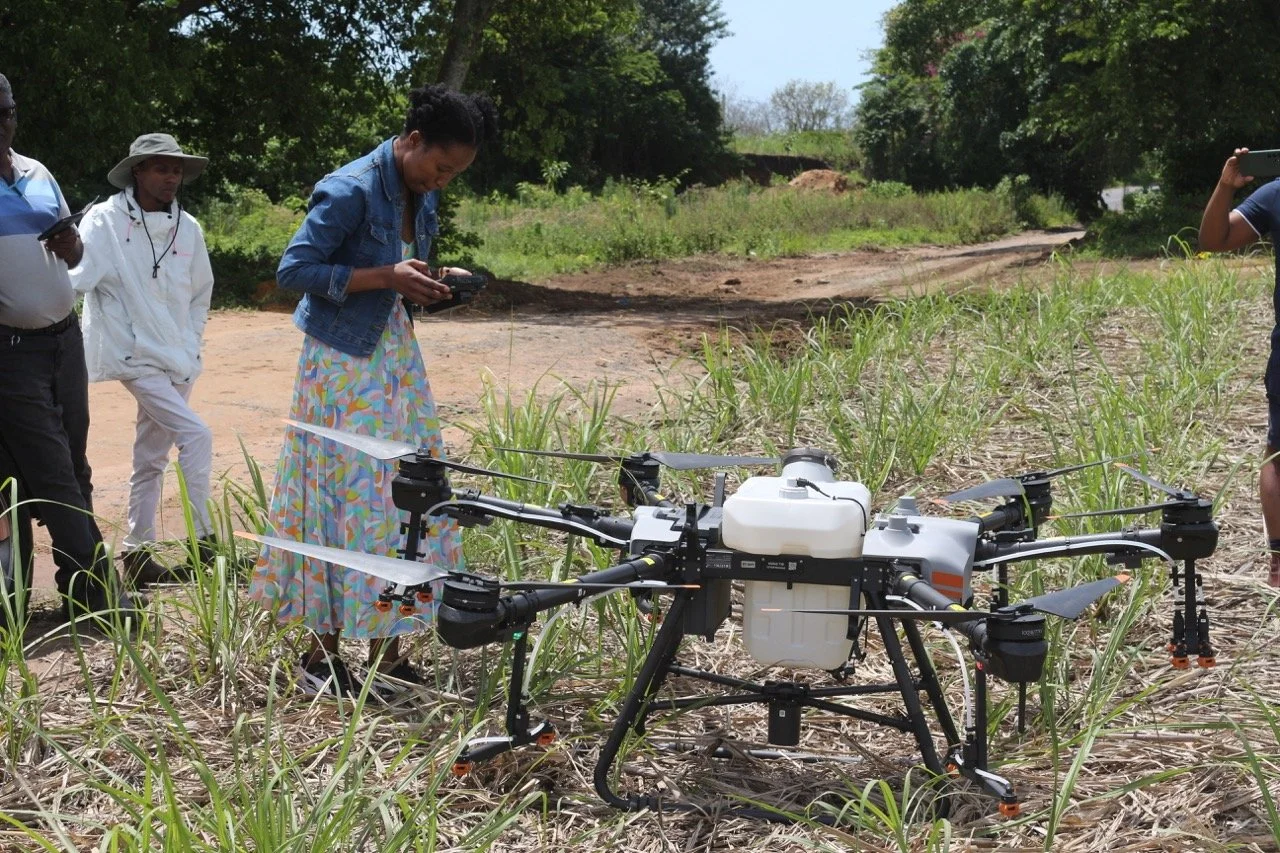
Food security and international trade logistics have taken centre stage, forcing traditional agricultural and logistics sectors to rapidly modernise. This evolution has birthed a hybrid industry that relies heavily on agricultural engineers who utilise Internet of Things (IoT) and drone tech, alongside supply chain managers, procurement specialists, and inventory controllers.
The rise of pan-African e-commerce and global trade integration requires sophisticated logistics tracking. Concurrently, commercial farming operations are increasingly relying on tech-driven data to maximise crop yields and stabilise food supplies amidst changing weather patterns, making tech-literate logistics and agricultural professionals indispensable.
The Differentiating Factor
While technical capabilities like data literacy and programming are crucial to these surging fields, employers across the continent place an immense premium on human-centric soft skills. Systems thinking, the ability to understand how complex, interconnected components operate together, resilience, and cross-cultural communication are currently cited as the ultimate differentiators in Africa’s modern workforce. The most successful professionals moving forward will be those who can blend deep technical competence with the adaptability required to navigate a rapidly changing economic landscape.